
Upper blepharoplasty recovery, week by week
Most people are back to everyday things within about a week. The stitches come out at one to two weeks, the bruising can take up to two weeks to fade, and the scar in the crease of the lid keeps softening for months.
From the first evening to the first year: what is normal, what to do and when ordinary life comes back.
Free and no obligation. Your request goes to one surgeon on the Medical Council's Specialist Register, not a list.
- Days 3 to 5swelling and bruising at their most
- 1 to 2 weeksuntil the stitches come out
- 2 to 4 weeksback to exercise
- 6 to 12 monthsfor the scar to mature

Week by week
- The first dayOintment blurs your sight. Rest with your head raised, and use cold compresses once any dressing is off. Someone takes you home, and you do not drive.
- Days 3 to 5Swelling and bruising are usually at their most noticeable. The lids can feel tight or look uneven for a while. Light activity and desk work can start, at some clinics.
- Week 1Most people are back to everyday things. Nothing strenuous yet. Stitches or strips may come out at a follow-up.
- Week 2Most of the bruising has faded. At one clinic, people are back at work and out socially, with make-up or glasses, from around now.
- Weeks 2 to 4Normal routines, exercise included, come back.
- 3 monthsMost of the swelling has gone, and the scar is much less noticeable.
- 3 to 6 monthsThe lids keep settling.
- 6 to 12 monthsThe scar keeps maturing.
Price my eyelids
Three taps and the price range shows as you go. Your name and number come last, and only if you want a surgeon to ring you.
Heavy, hooded lids, within 3 months, a consultation first: €2,200 to €5,500 for upper blepharoplasty.
How the price is worked out
The range is what Irish clinics charge for upper blepharoplasty now: the lowest fee and the highest. The low end is a clinic fee under local anaesthetic, with the consultation and the follow-up visits in it. The high end includes the hospital and the anaesthetist. A lid that sits lower may need a different operation, so that one is priced after an examination. Only a surgeon can say whether any of it suits you, after examining your lids, brows and eyes. Use the range to plan with. It isn't a quote: the surgeon prices yours in writing.
Looking after your eyes
- Cold compresses for the swelling.
- Your head raised when you rest.
- Paracetamol if you need it, as the clinic advises.
- Dark glasses in the early days.
- The eye area kept dry for the first few days.
- No contact lenses and no smoking during the recovery.
Time off
Desk work
3 to 7 days
Light work from three to five days at one clinic, and around a week at another.
Physical work
1 to 2 weeks or more
Longer for heavy or physical jobs.
Driving
A few days
Not until your sight is clear and your surgeon says so.
Before you go home
Make sure you know who to contact, day or night, if something worries you, and contact them rather than wait. The written plan should say who that is. Take advice from a registered surgeon, who examines you, before you decide anything.
More on upper eyelid surgery
 Eyelid surgery on the upper lidsWhat the operation removes, how long it takes and what Irish clinics charge: €2,200 to €5,500.
 Hooded eyelidsSkin that folds down onto the lid from above: what causes it and when surgery is the answer.
 Lids that limit your sightWhen heavy lids get in the way of seeing, how that is shown and what insurers ask for.
 Excess skin or ptosisTwo different reasons for a low lid, treated by two different operations.
 Brow lift or eyelid surgeryWhen the brow is part of the weight. A brow lift is €3,200 to €5,900 at the clinics that list one.
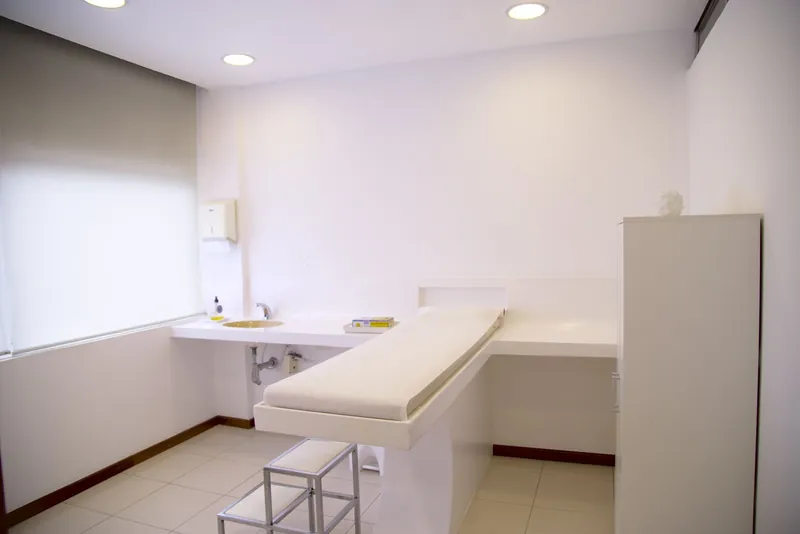 Local or general anaestheticAwake with the lids numbed, sedated, or asleep: what each means for the day and the fee.
Questions before you decide
How long is blepharoplasty recovery?
About a week for everyday things, one to two weeks for the stitches and the bruising, and months for the scar to settle.
When does swelling peak after blepharoplasty?
Usually around days three to five.
When can I go back to work?
Light work from about three to seven days, depending on the clinic, and one to two weeks or more for physical jobs.
When can I exercise?
Nothing strenuous for a week. Normal routines, exercise included, come back over two to four weeks.
When can I wash my face?
Keep the eye area dry for the first few days, and follow the clinic's instructions after that.
Everything on this site
Kinds of upper eyelid surgery
Cost, surgeons and the rules
See the price range before anyone rings
Three taps about your lids, then your county. Nothing here replaces advice from a registered surgeon who has examined you: when you want it, your request goes to a single surgeon on the Medical Council's Specialist Register.