
The upper blepharoplasty consultation
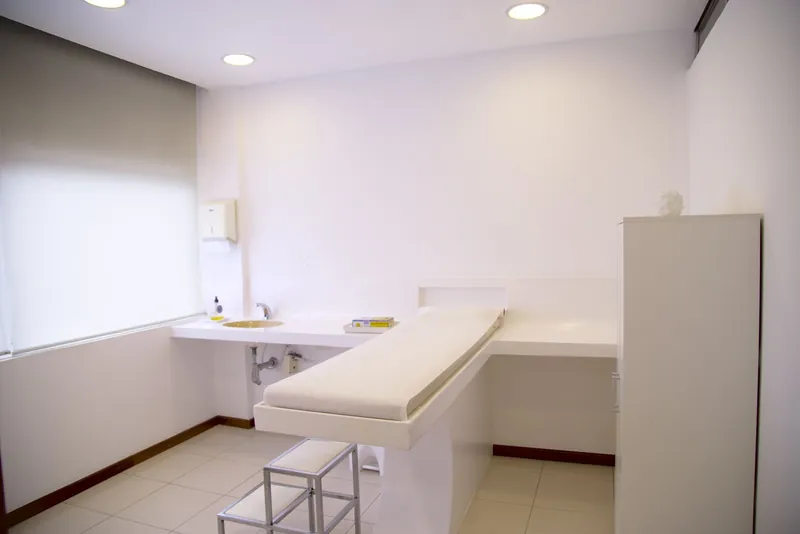
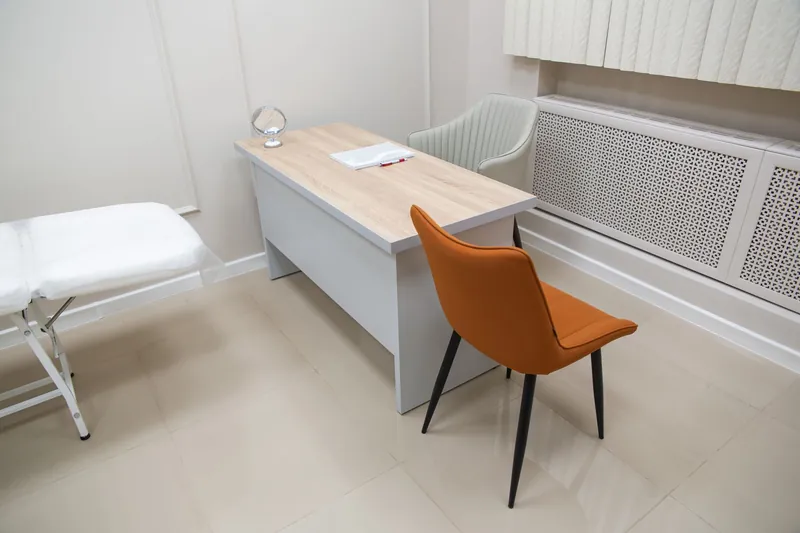
The consultation is where a surgeon takes your medical history, examines your eyes, your lids and the skin around them, and tells you what they would do and what it costs. At Irish clinics it runs from free to €225. Take time to think before you agree to anything.
What it costs, what the surgeon examines and asks, the photographs, and what you should leave with.
Free and no obligation. Your request goes to one surgeon on the Medical Council's Specialist Register, not a list.
- Free to €225the consultation
- €50a refundable deposit, one clinic
- Fees firstavailable before the consultation
- Time to thinkbefore you decide

What it costs
Free
€0
At some clinics, sometimes with a consulting doctor online first.
With a deposit
€50
Refunded if you do not go ahead, and taken off the fee if you do, at one clinic.
Paid
€225
One clinic's fee for a blepharoplasty consultation.
An eye consultation
€200
At one clinic, with a referral from a GP or an optician first.
Price my eyelids
Three taps and the price range shows as you go. Your name and number come last, and only if you want a surgeon to ring you.
Heavy, hooded lids, timing not decided, a consultation first: €2,200 to €5,500 for upper blepharoplasty.
How the price is worked out
The range is what Irish clinics charge for upper blepharoplasty now: the lowest fee and the highest. The low end is a clinic fee under local anaesthetic, with the consultation and the follow-up visits in it. The high end includes the hospital and the anaesthetist. A lid that sits lower may need a different operation, so that one is priced after an examination. Only a surgeon can say whether any of it suits you, after examining your lids, brows and eyes. Use the range to plan with. It isn't a quote: the surgeon prices yours in writing.
What happens
- Your history. Your general health, your eyes and any medicines, anything that thins the blood above all.
- The examination. Your eyes, your eyelids, the skin of your face and the tissue under it.
- Photographs. Clinical photographs may be taken. The surgeon should explain why and ask your consent, including before any sharing.
- The plan. What they would do, the anaesthetic, the fee and the risks for your eyes.
- Time. Where possible, time to consider it before you decide.
Questions to bring
- Am I suitable, and if not, why not?
- Is it excess skin, ptosis, my brow, or a mix?
- What would you remove, and where will the scar be?
- Local or general anaesthetic, and where?
- What does the fee include, and is it for both lids?
- Who do I contact if I am worried afterwards?
What the Medical Council asks of the surgeon
The fees, or the expected costs, should be available before the consultation and the treatment. You must get enough information to decide, including the likelihood of success or failure and the risks. And where possible you should have time to think it over before deciding.
Before you go
- A list of your medicines, including anything that thins the blood.
- Any letters from your GP or optician about your eyes.
- Your insurer's answer, if your sight is affected.
- What bothers you most about your lids, in a sentence.
More on upper eyelid surgery
 Eyelid surgery on the upper lidsWhat the operation removes, how long it takes and what Irish clinics charge: €2,200 to €5,500.
 Hooded eyelidsSkin that folds down onto the lid from above: what causes it and when surgery is the answer.
 Lids that limit your sightWhen heavy lids get in the way of seeing, how that is shown and what insurers ask for.
 Excess skin or ptosisTwo different reasons for a low lid, treated by two different operations.
 Brow lift or eyelid surgeryWhen the brow is part of the weight. A brow lift is €3,200 to €5,900 at the clinics that list one.
 Local or general anaestheticAwake with the lids numbed, sedated, or asleep: what each means for the day and the fee.
Questions before you decide
Is the blepharoplasty consultation free?
At some Irish clinics. Others charge up to €225.
Will they take photos?
Clinical photographs may be taken. The surgeon must explain why and get your consent first.
Do I need a referral?
Ask when you book. One clinic needs a referral from a GP or an optician before an eye consultation.
Should I decide on the day?
You do not have to. The Medical Council's guide asks doctors to give time to consider, where possible.
Who examines me?
A single surgeon on the Medical Council's Specialist Register, who gets your answers and our price range. Your details go nowhere else. The surgeon's rooms ring you to arrange a consultation, the surgeon examines you and explains the options, and you decide whether to go ahead.
Everything on this site
Kinds of upper eyelid surgery
Cost, surgeons and the rules
See the price range before anyone rings
Three taps about your lids, then your county. Nothing here replaces advice from a registered surgeon who has examined you: when you want it, your request goes to a single surgeon on the Medical Council's Specialist Register.